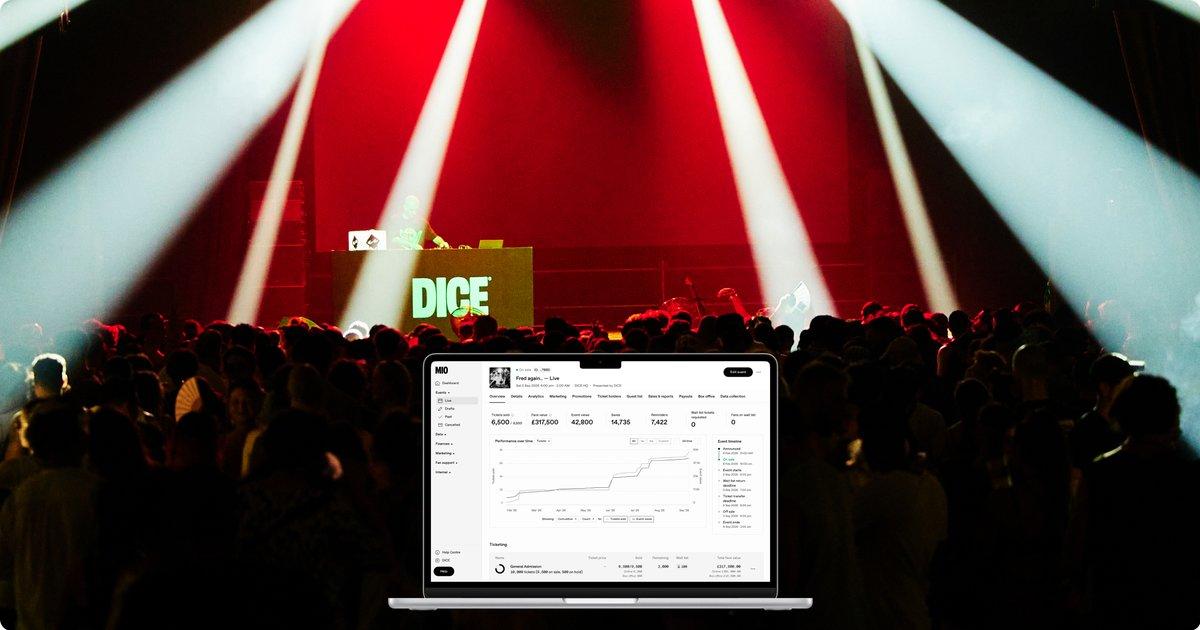
How to Sell Tickets on DICE: Guide for Venues and Promoters
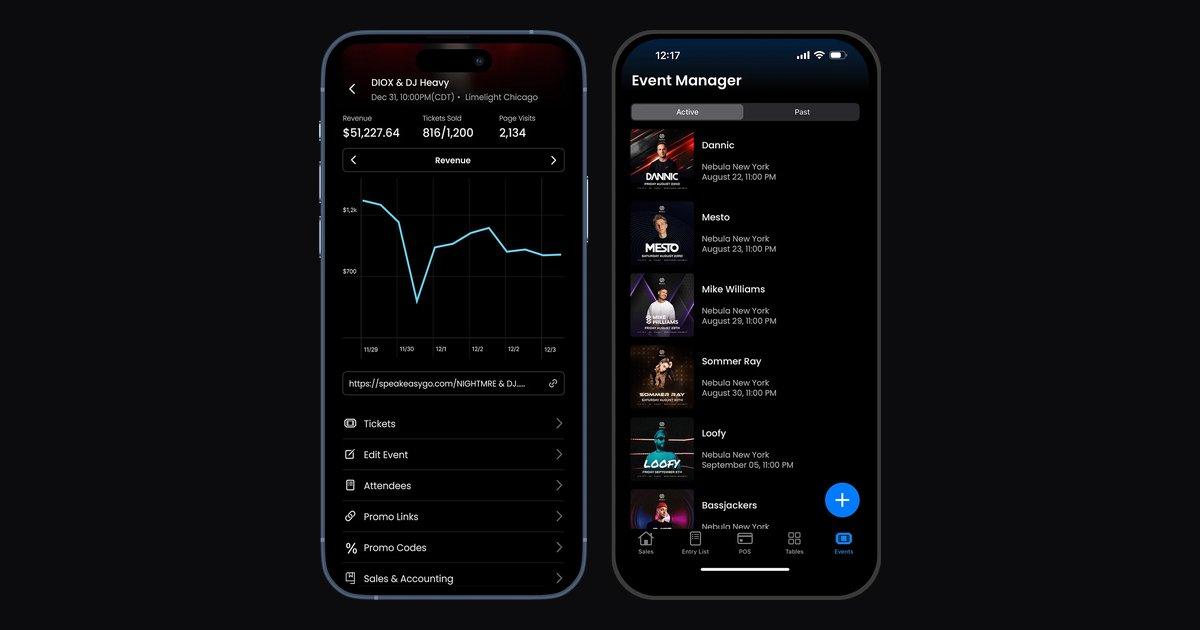
How to sell tickets on DICE: set up an event in DICE MIO, use the waiting list and all-in pricing, scan at the door, and pay the artist and crew after payout.
Insights, guides, and best practices for hospitality accounts payable teams.

How to sell tickets on DICE: set up an event in DICE MIO, use the waiting list and all-in pricing, scan at the door, and pay the artist and crew after payout.

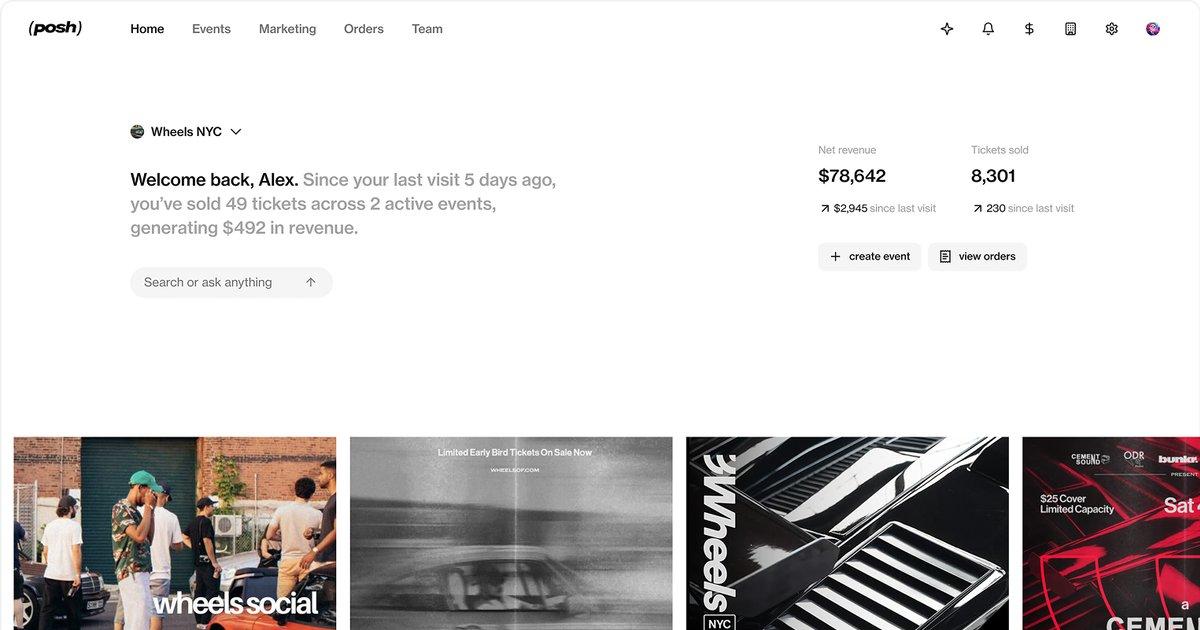
How to sell tickets on Posh: build the event, price your tiers, grow sales with Kickback and SMS, run the door, and pay DJs, promoters and crew afterward.
How venues use Speakeasy (spkeasy.com) ticketing: events, tables, guest lists, door sales and promoter links, plus paying artists and staff after the night.

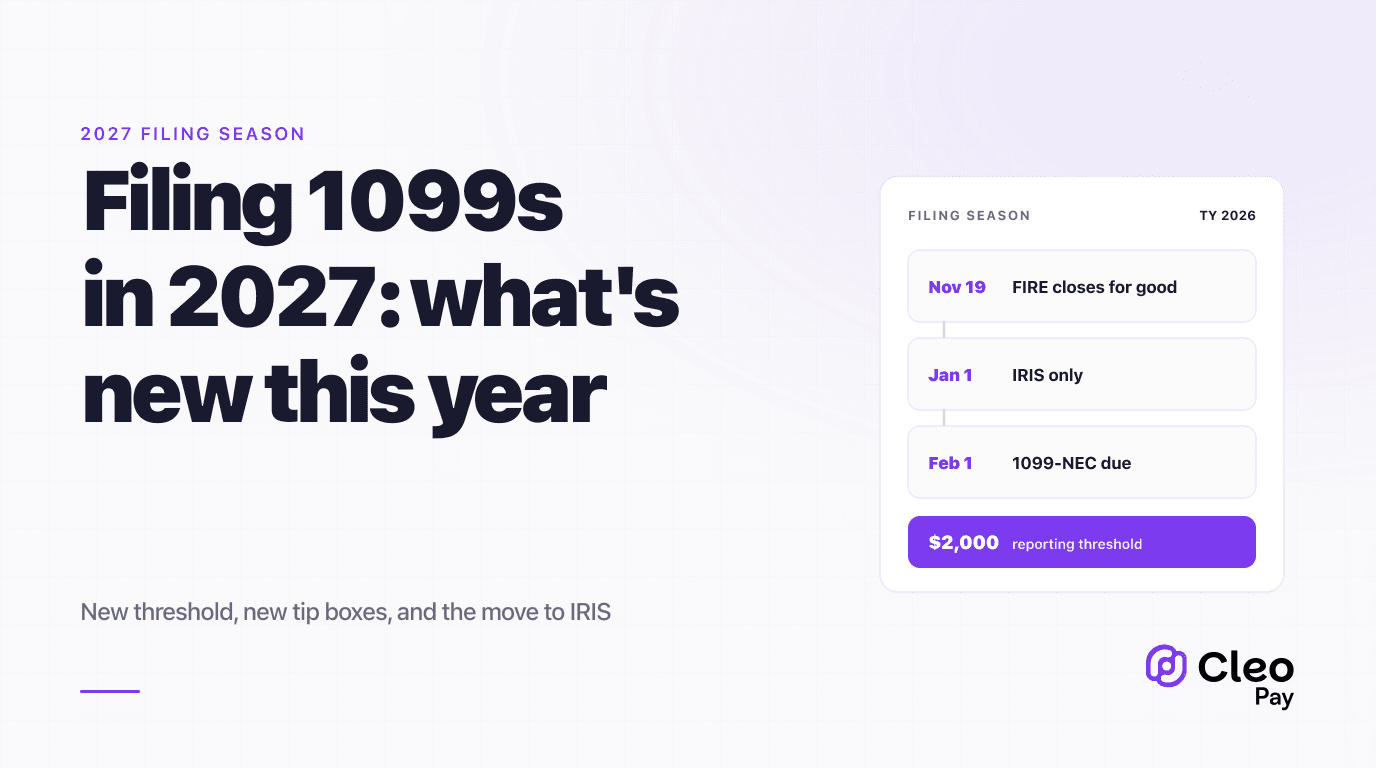
Everything that changed for 1099s you file in early 2027: the $2,000 threshold, new cash tip and overtime boxes, the FIRE shutdown and move to IRIS, 2027 due dates, and updated penalty amounts.

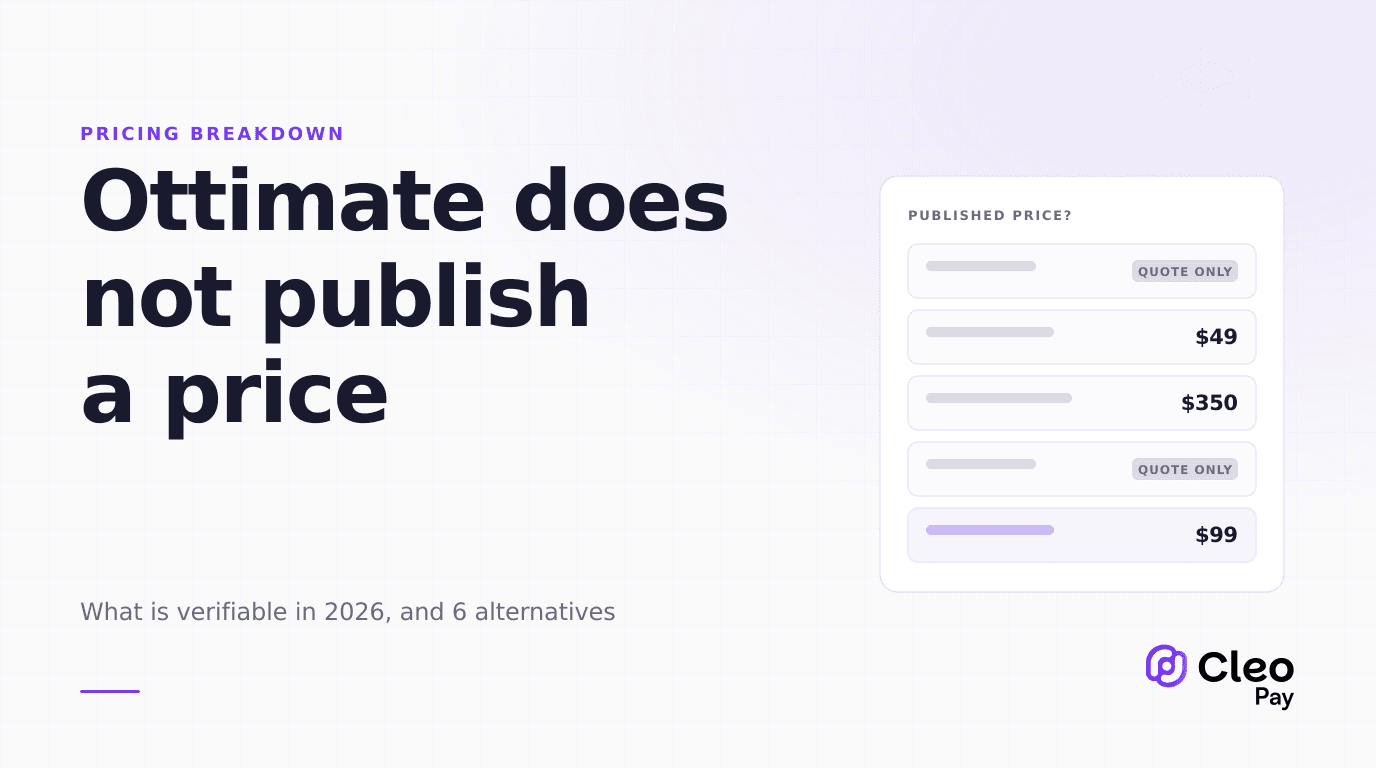
Ottimate, formerly Plate IQ, does not publish a list price. What is verifiable in 2026, what drives a quote, how to force a comparable number out of a sales call, and six alternatives with published pricing where it exists.

Fever sells tickets, helps audiences find events, and builds experiences of its own. What its $250 million raise means for independent promoters and venues.

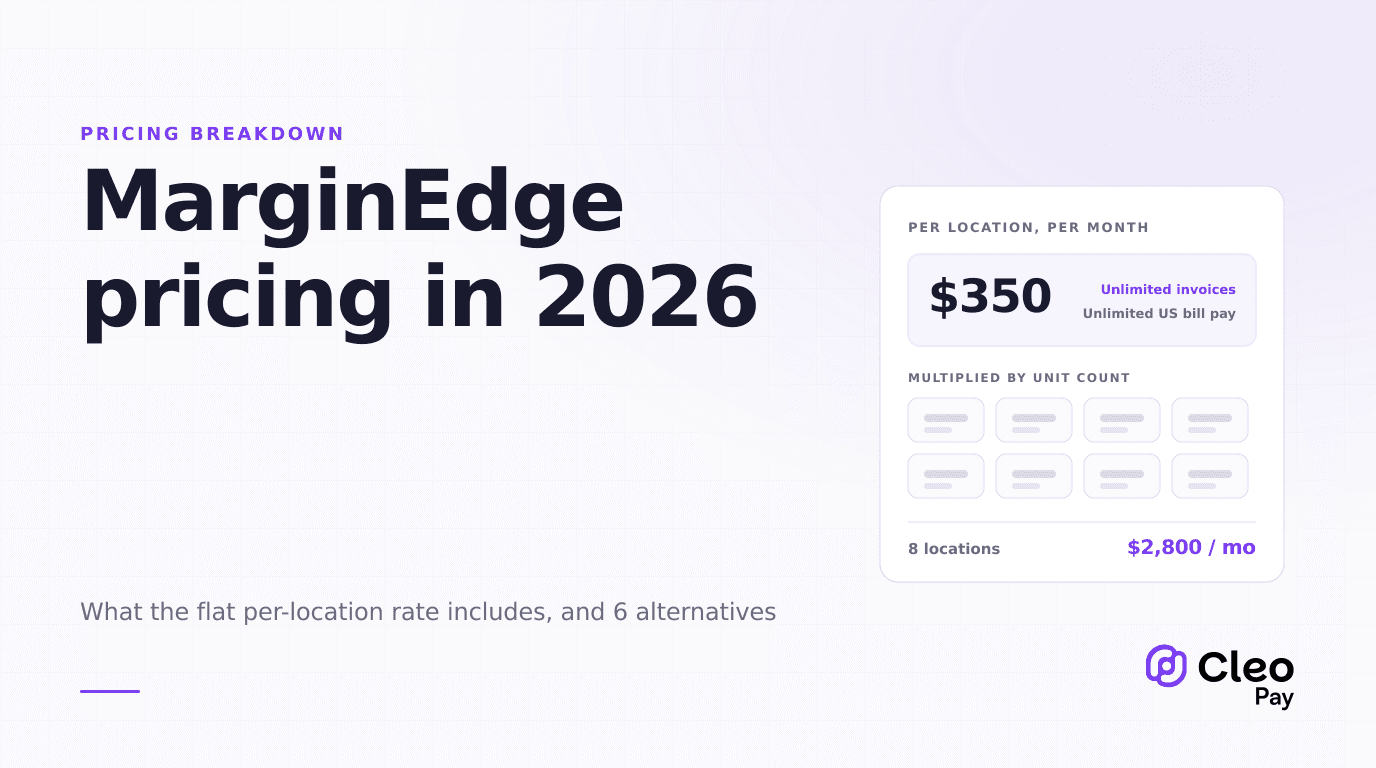
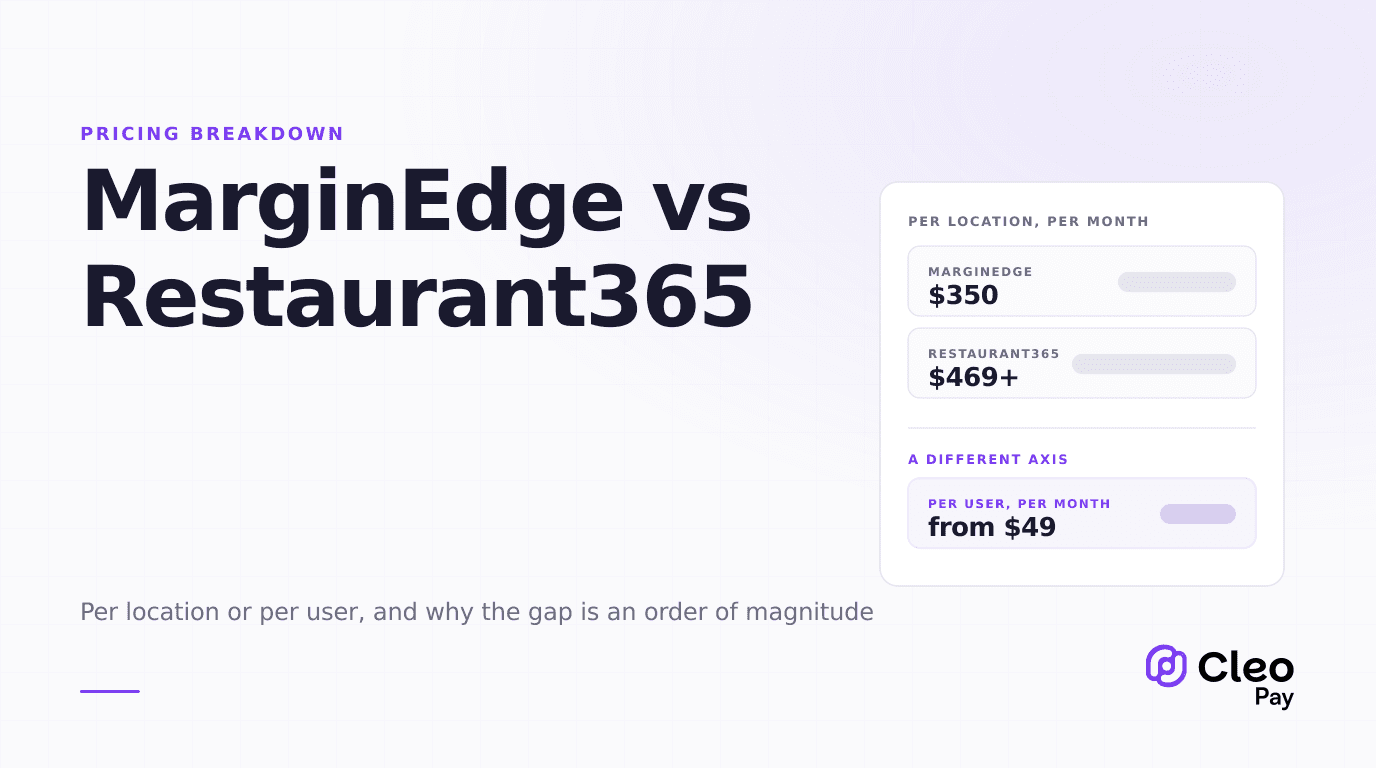
MarginEdge's published 2026 price, what the flat per-location fee includes and excludes, worked total-cost math at one, three, and eight locations, and six alternatives with an honest read on who each one fits.

A practical 2026 buyer's guide to travel agency back office software. The six jobs the back office actually has to do, how the four categories of tool compare, why almost nobody in this category publishes pricing, and the 1099 change that lands this year.
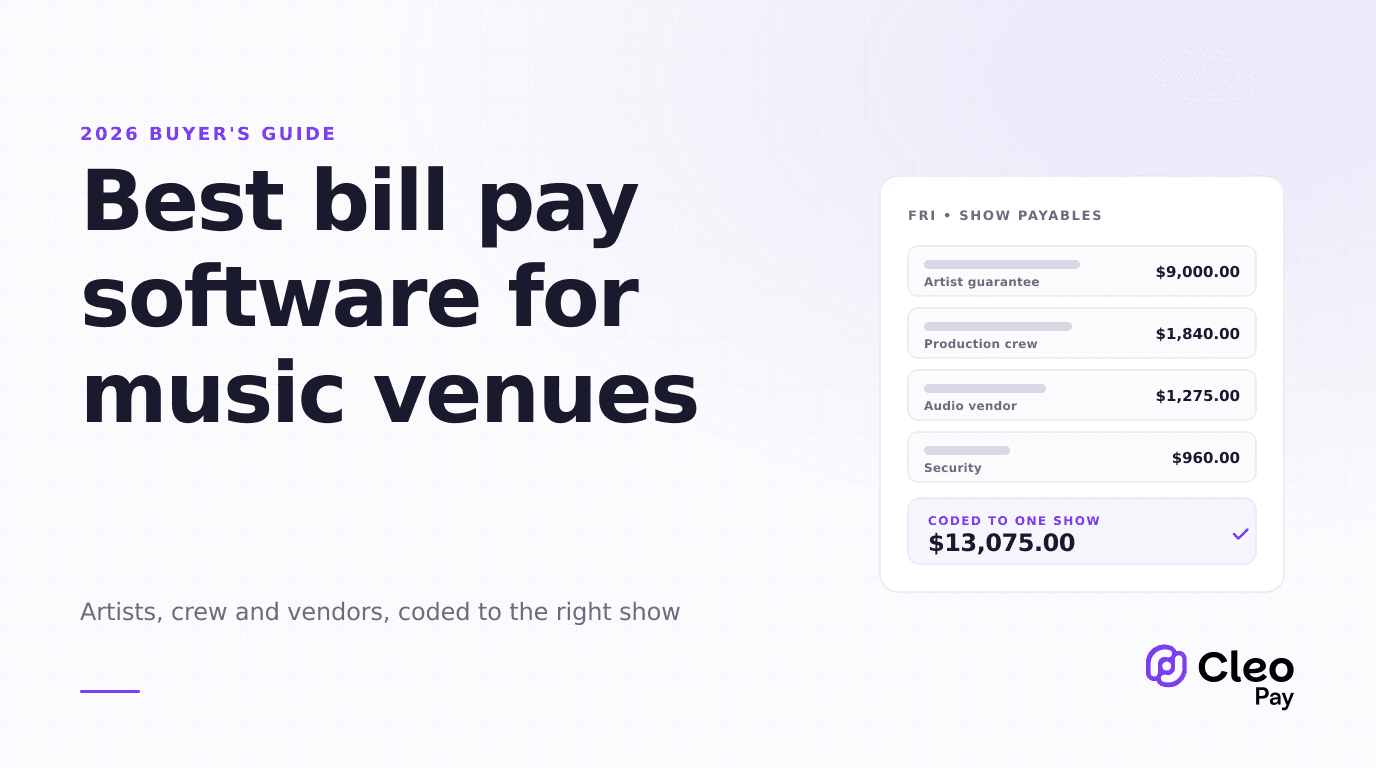
A 2026 buyer's guide to bill pay software for music venues and concert promoters: paying artists and production crew, show-level cost coding, W-9 and 1099 handling, payment rails, and real pricing.
A 2026 buyer's guide to paying stagehands, AV techs, and freelance crew: entertainment payroll vs contractor payroll vs AP platforms, with real pricing and the new $2,000 1099 threshold.

The USALI 12th Revised Edition took effect on January 1, 2026. This is a practical guide to coding hotel vendor invoices against it: the departmental versus undistributed test, the schedules that moved, how to split one invoice across departments, and the coding SOP that keeps a property comparable.

A 2026 buyer's guide to invoicing software for DJs, photographers, AV crews, and event freelancers: what the new $2,000 1099-NEC threshold changes, which features matter, and how to get paid faster.

Both platforms price per location, not per user, which changes the math entirely. The published 2026 figures, worked total-cost examples at one, four, and twelve locations, and when a horizontal AP tool beside your accounting system costs less.

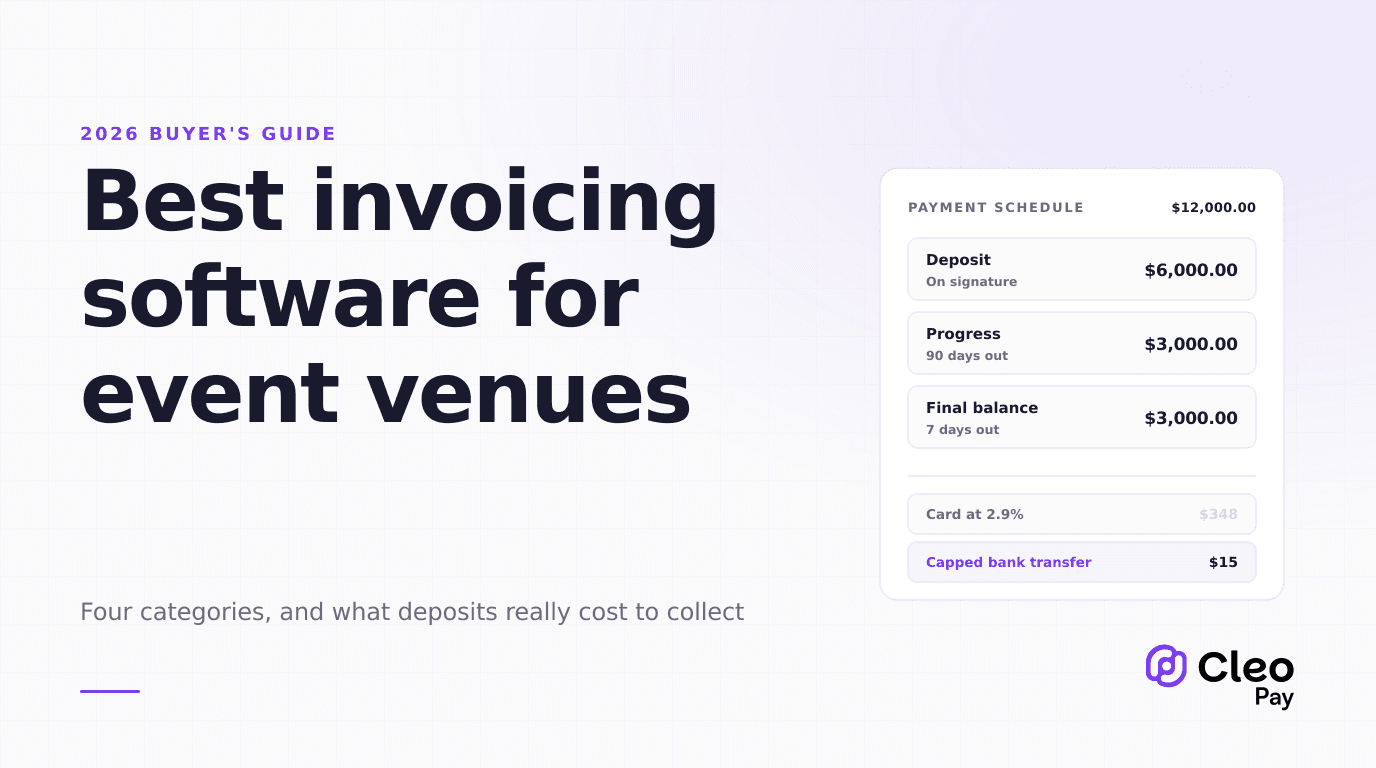
Event venues invoice in deposits, not in single payments, and the amounts are large enough that the processing rate decides the margin. The four categories of tools, what percentage fees cost on a real booking schedule, and the criteria worth scoring in a demo.

A 2026 buyer's guide to accounts payable software for private clubs. Why club ERP AP modules leave gaps, the eight criteria that matter when you pay agronomy, F&B, and clubhouse vendors from one back office, and how the four categories of tools actually compare.

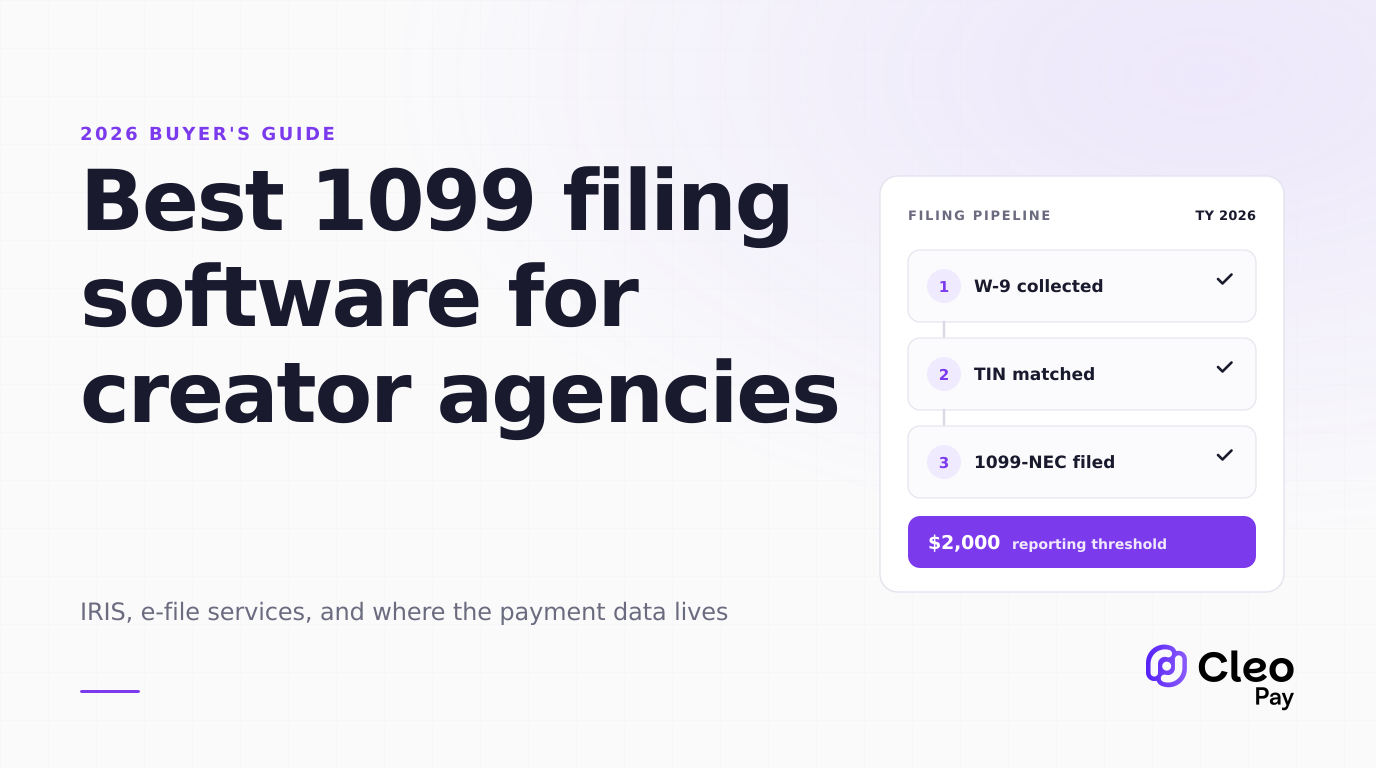
A 2026 buyer's guide to 1099 filing software for creator and talent agencies. What the $2,000 threshold changed, the criteria that actually matter when you file for hundreds of payees, how the four categories compare, and what to fix before January.

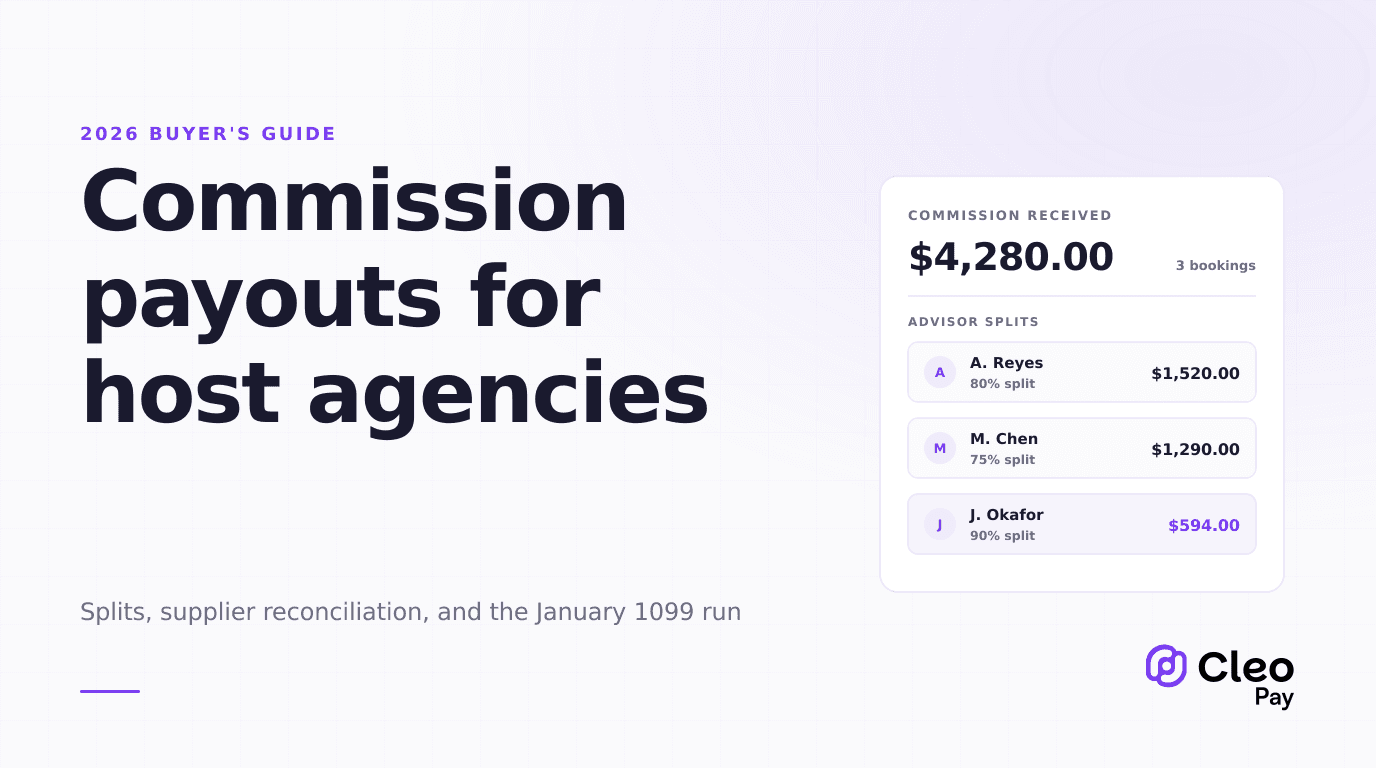
How host agencies should pay independent advisors in 2026. Why commission payouts are not accounts payable, the four categories of tools, the 1099-NEC threshold change that lands this January, and the criteria worth scoring in a demo.

Xero now owns Melio. What actually changed for US small businesses, when Melio is still the right call, and how the main alternatives compare on the two things that drive cost: seats and payment volume.

How travel agencies should pay suppliers with virtual cards in 2026. The controls that actually matter, the four categories of providers, how the funding models differ, what to ask about pricing, and the acceptance failures that strand a client at check-in.

How host travel agencies should pay independent advisor commissions in 2026. Why supplier-paid timing breaks generic AP tools, the four categories of payout software, the 1099-NEC threshold change, and the evaluation criteria that actually matter.

Account numbers are a sort order and a namespace, not decoration. How to pick digit width, leave gaps, mirror revenue against cost, and avoid the location-in-the-account-number mistake that doubles your chart every time you open a site.

The general rule is easy and the hard cases are where the money is. Why kitchen labor sits outside cost of sales, why delivery commission is not COGS, and why to-go containers are, with the reasoning behind each call.

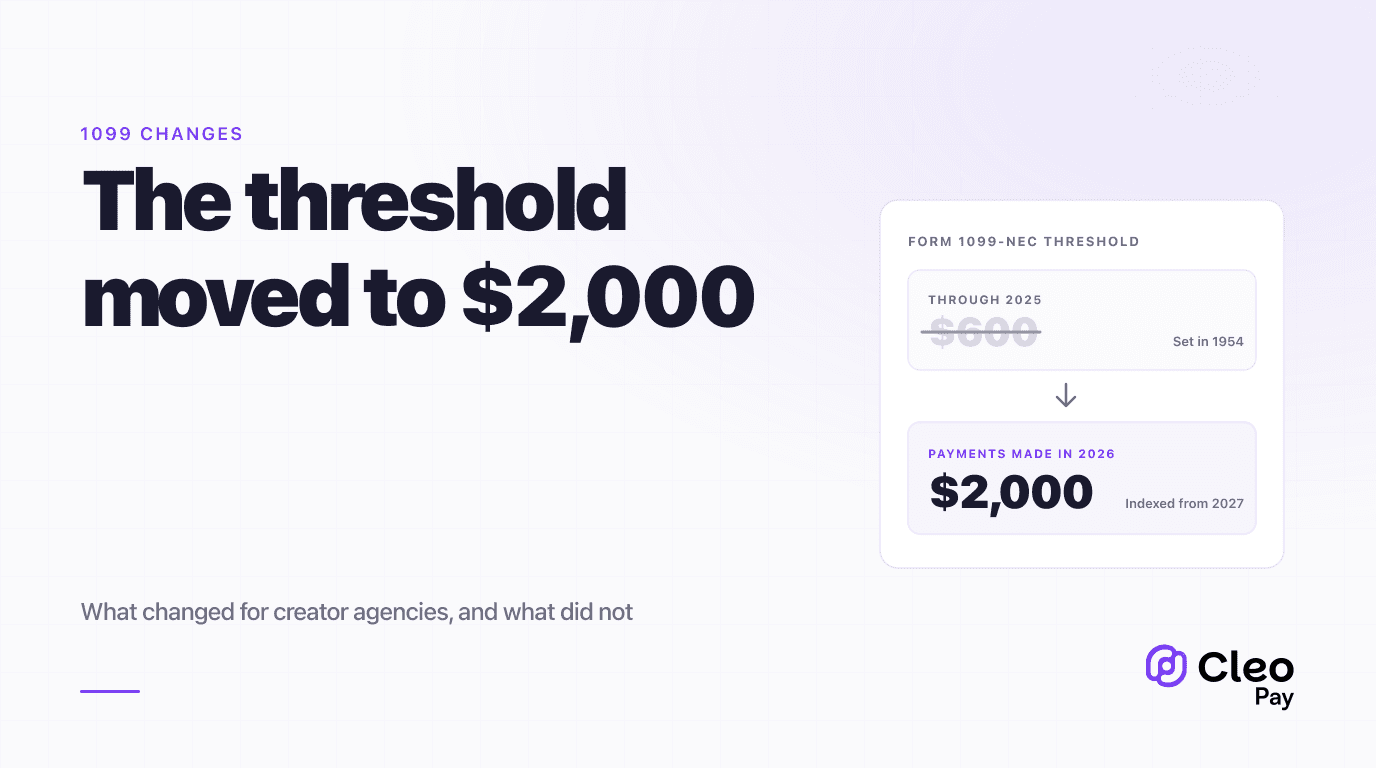
The 1099-NEC and 1099-MISC reporting threshold rose from $600 to $2,000 for tax year 2026. What changed, when it takes effect, the tax-year versus filing-year trap, and what to do about it.

A 2026 buyer's guide for hospitality and travel operators evaluating alternatives to Canary Technologies. What Canary does well, the four categories of digital authorization tools, the evaluation criteria that matter, and how to run a migration without stranding card data.

A 2026 buyer's guide to creator and influencer payout software. The evaluation criteria that matter for talent agencies, how the four categories of tools compare, real pricing, and the red flags that turn January into a fire drill.

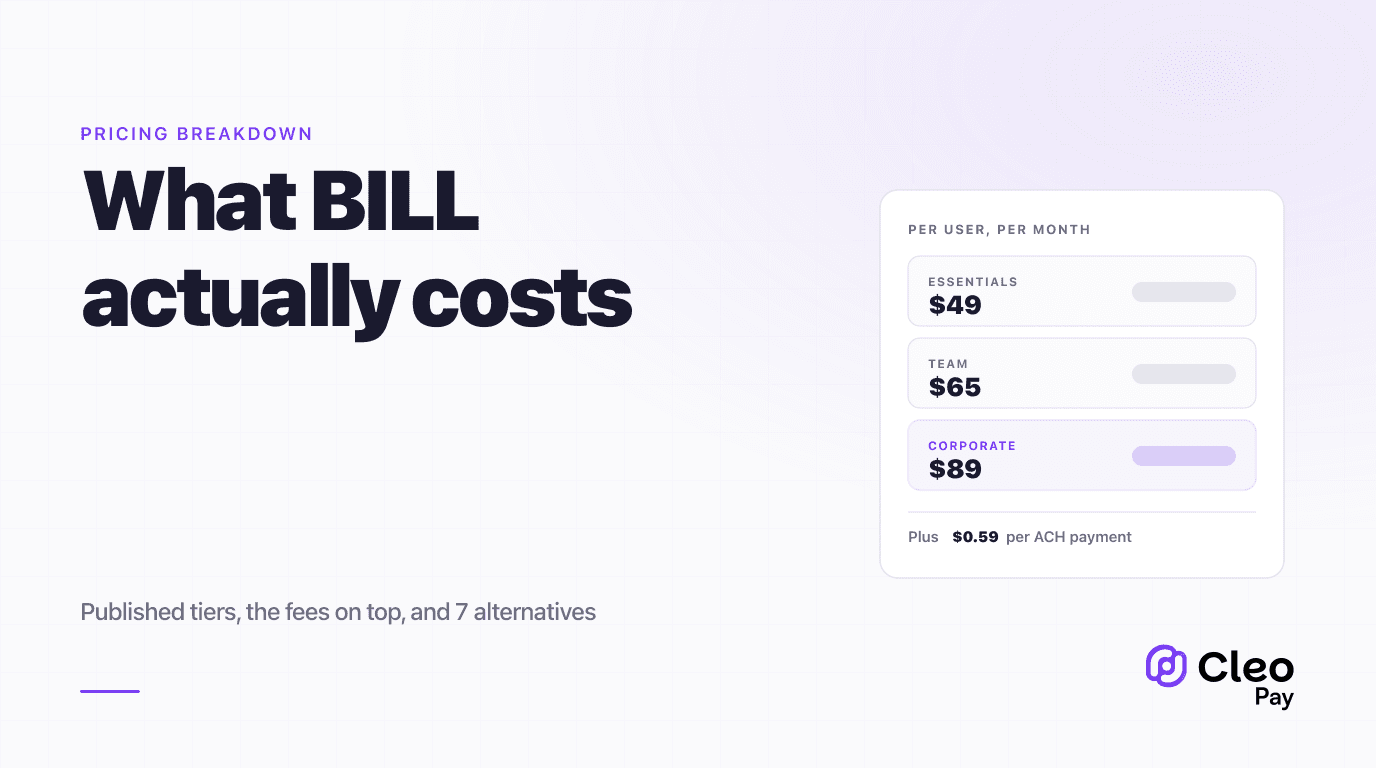
BILL's published 2026 pricing, the transaction fees that sit on top of the per-user subscription, worked total-cost examples at three company sizes, and seven alternatives with an honest read on who each one fits.

How travel agencies should store client credit cards in 2026. What PCI DSS actually requires when you keep card data on file, the four categories of tools agencies use, the evaluation criteria that matter, and the red flags that turn into chargebacks.

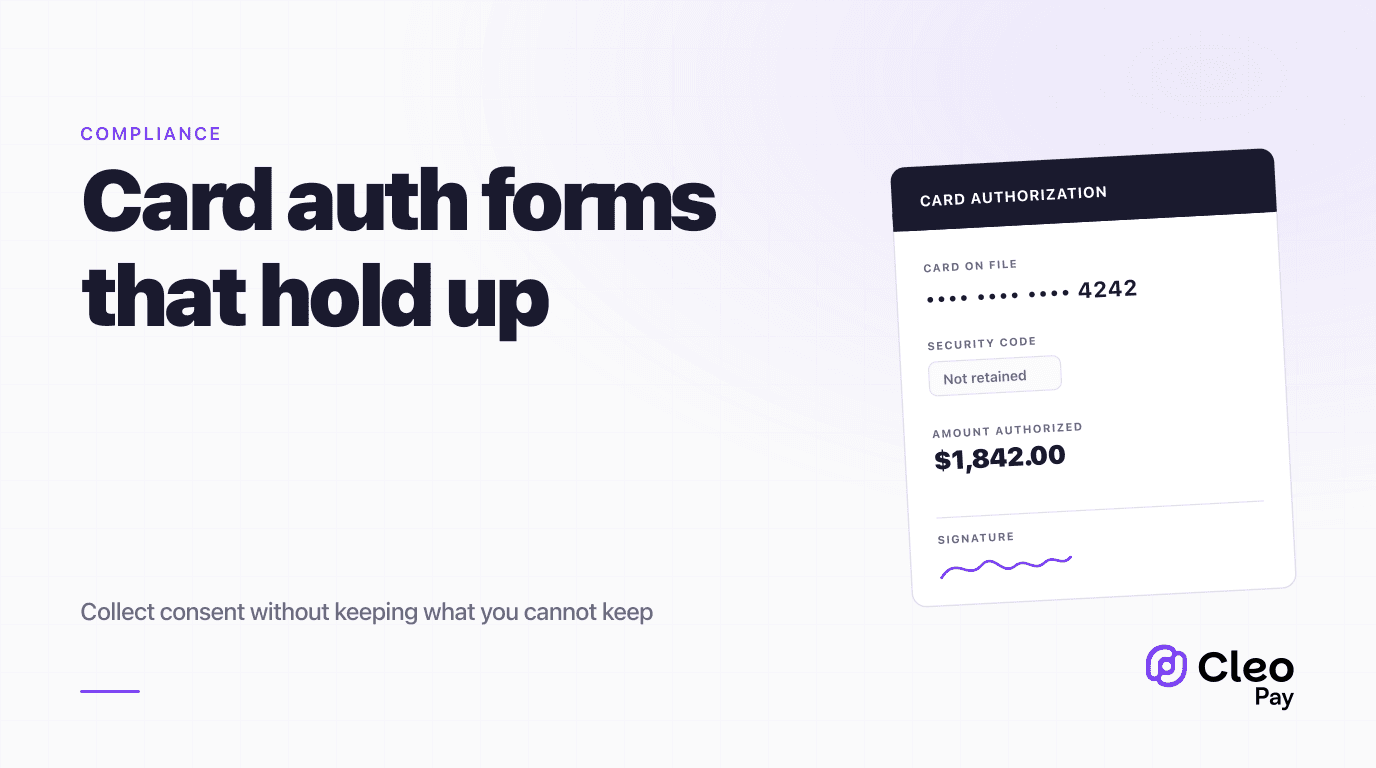
What belongs on a travel agency credit card authorization form, the three ways agencies collect them today, why emailed PDFs are the riskiest option, and how to build a process that actually holds up in a chargeback dispute.

The 1099-NEC reporting threshold rose from $600 to $2,000 for payments made in 2026. What that changes for creator and talent agencies, what it does not change, and how to build a payout process that does not collapse in January.

A practical guide for executive assistants who hold someone else's credit card. Why email, spreadsheets, and password managers fail, what PCI DSS actually requires, and the storage methods that keep you out of scope.

Where AI actually earns its keep in AP: line-item GL coding, duplicate detection, budget tracking as bills arrive, year-round 1099 prep, and a clean sync into your accounting system.

A 2026 buyer's guide to bill pay software for bars and nightclubs: liquor-distributor coding, three-tier rules, 1099 contractor pay, and real pricing.

A 2026 buyer's guide to bill pay software for catering and event companies: contractor onboarding, W-9/1099 automation, job costing, rails, and pricing.

A 2026 buyer's guide to hotel bill pay and AP software: multi-property structure, department GL coding, PMS sync, rails, and real pricing.

Most restaurant 1099 mistakes happen before the payment, not at year-end. A practical guide to the reporting threshold, W-9 timing, backup withholding, and which vendors actually trigger a filing requirement.

A practical 2026 buyer's guide to restaurant bill pay software. The evaluation criteria that actually matter (OCR, multi-location, COGS coding, rails, pricing), how the four main categories compare, and the red flags that kill implementations.

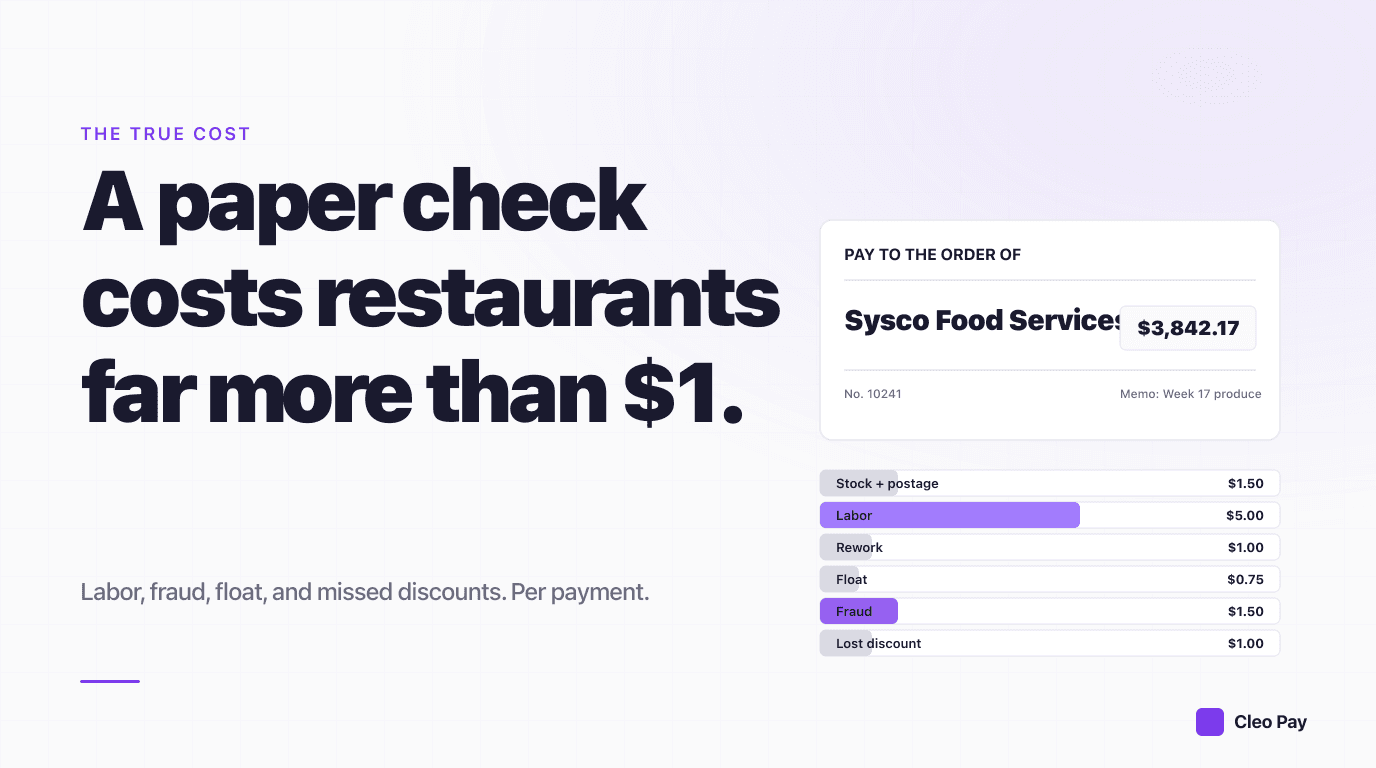
Checks look cheap at $0.10 of stock plus a stamp. The real cost, once you add labor, fraud, float, and errors, is closer to $6-$22 per payment. A hard look at check economics for restaurants in 2026, with an interactive calculator.

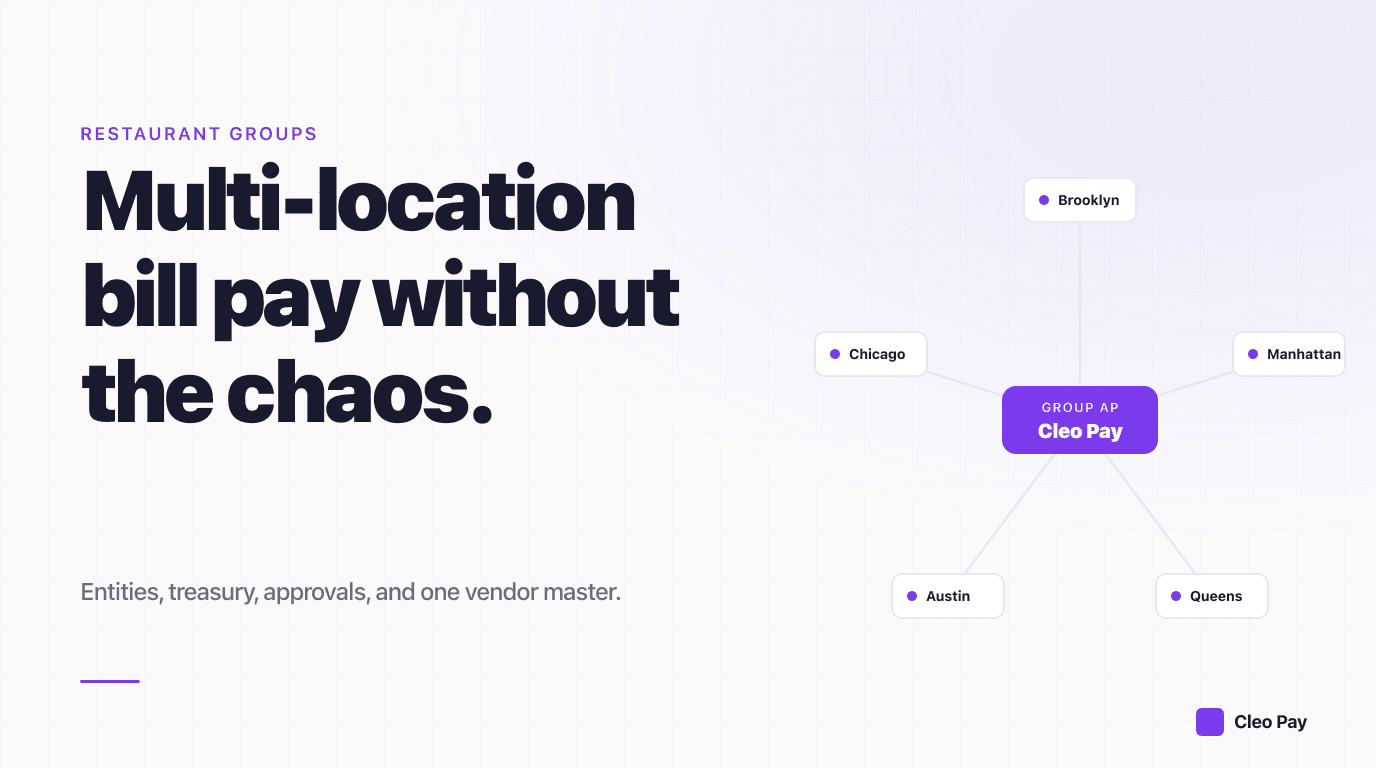
Restaurant groups hit a wall when AP scales past one location: separate entities, consolidated vendors, per-location approvals, inter-company allocations. A practical playbook for running bill pay across a multi-unit operation.

QuickBooks Online's built-in bill pay handles basic vendor payments but breaks under restaurant-specific needs: line-item coding, multi-location, restaurant invoice OCR, and recipe costing sync. Here's where it falls short and how to fix it.

Restaurant bill pay is not generic B2B AP. Thin margins, 40+ vendors, and perishable inventory change what 'good' looks like. A practical 2026 guide to the rails, workflows, and tooling that actually fit how restaurants operate.

42% of restaurants were unprofitable in 2025 despite record sales. The problem isn't revenue, it's knowing where money goes. Learn how proper invoice categorization and a detailed chart of accounts turn your P&L into a real management tool.

Learn IRS 1099 filing rules for hospitality businesses. Covers 1099-NEC vs 1099-MISC, contractor classification, deadlines, penalties, and automation tools.

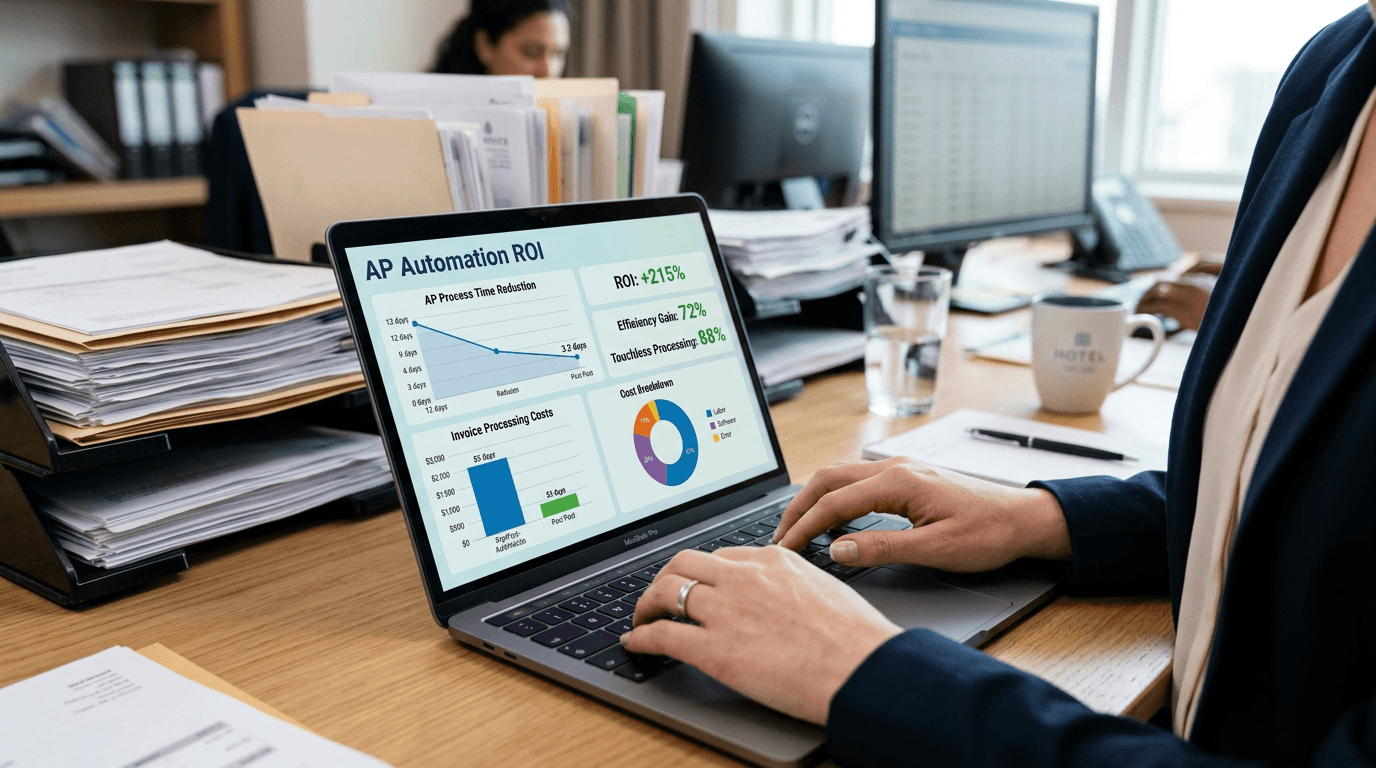
Calculate the real ROI of accounts payable automation for hospitality businesses. Includes cost breakdowns, time savings, and a framework for your own analysis.

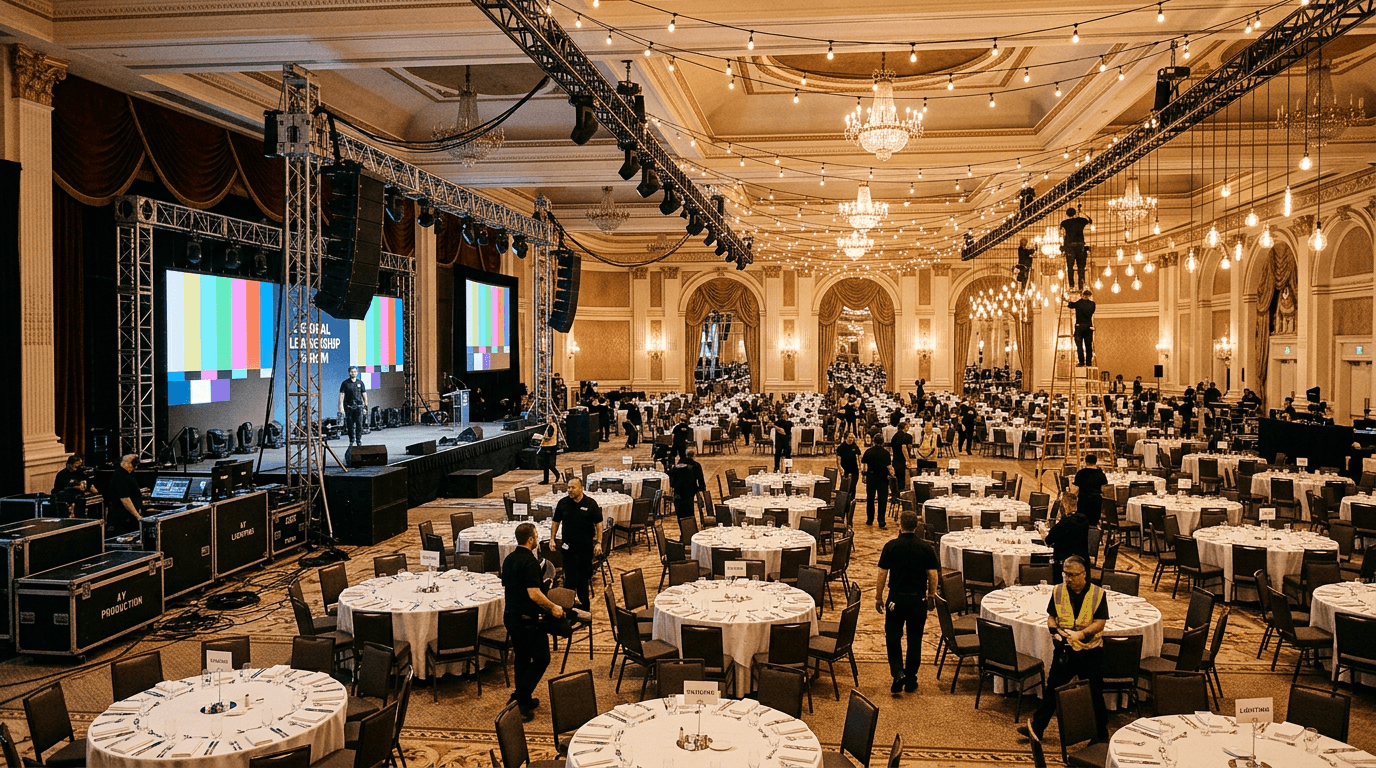
Learn how payment automation helps event producers and venues close event P&L statements in days instead of weeks. Includes a real-world 500-person event example.

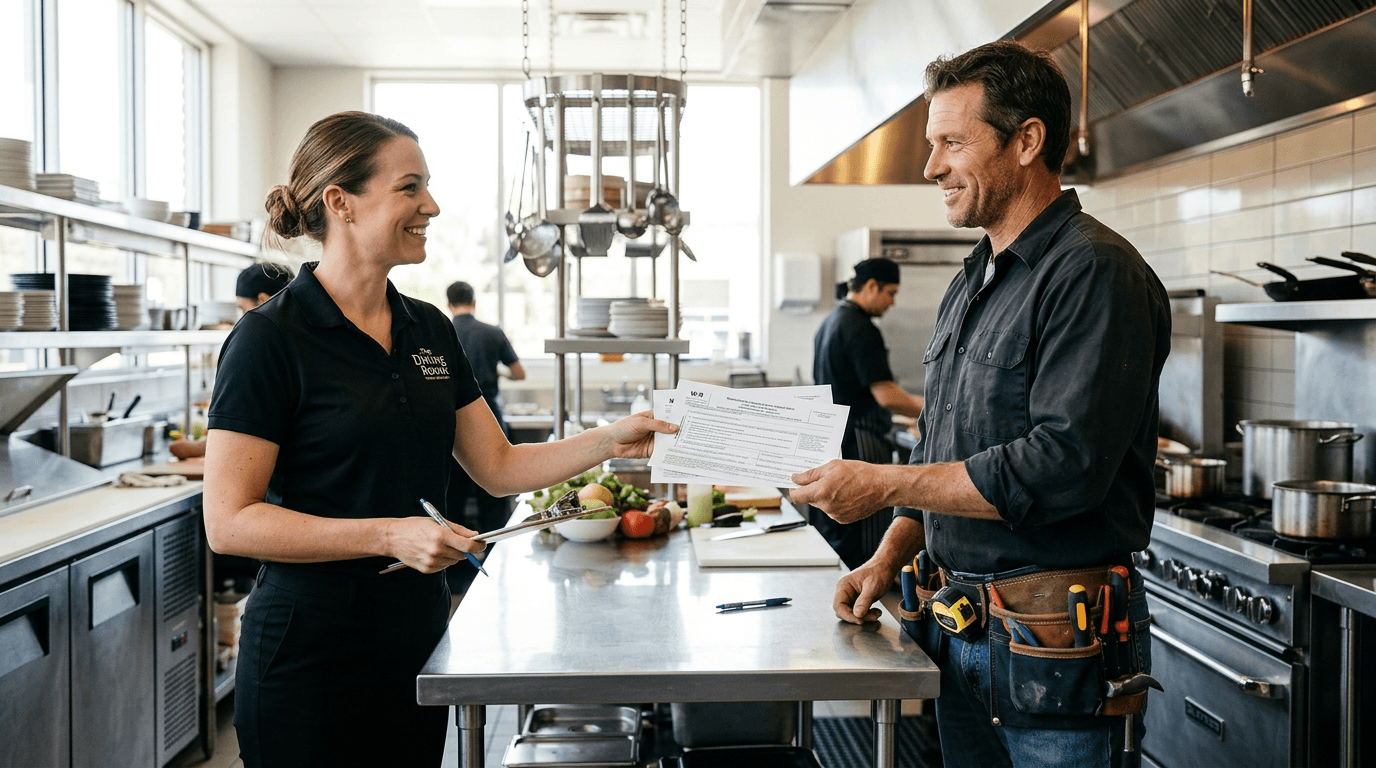
A practical guide to collecting W-9 forms from contractors in hospitality. Covers timing, common mistakes, digital collection, and automation tools.

A breakdown of how food festivals generate revenue through ticket sales, sponsorships, vendor fees, and ancillary spending. Includes cost structures, pricing models, and real numbers.

A practical guide to managing vendor payments across multiple restaurant, hotel, or venue locations. Covers centralized AP, approval workflows, and reporting.

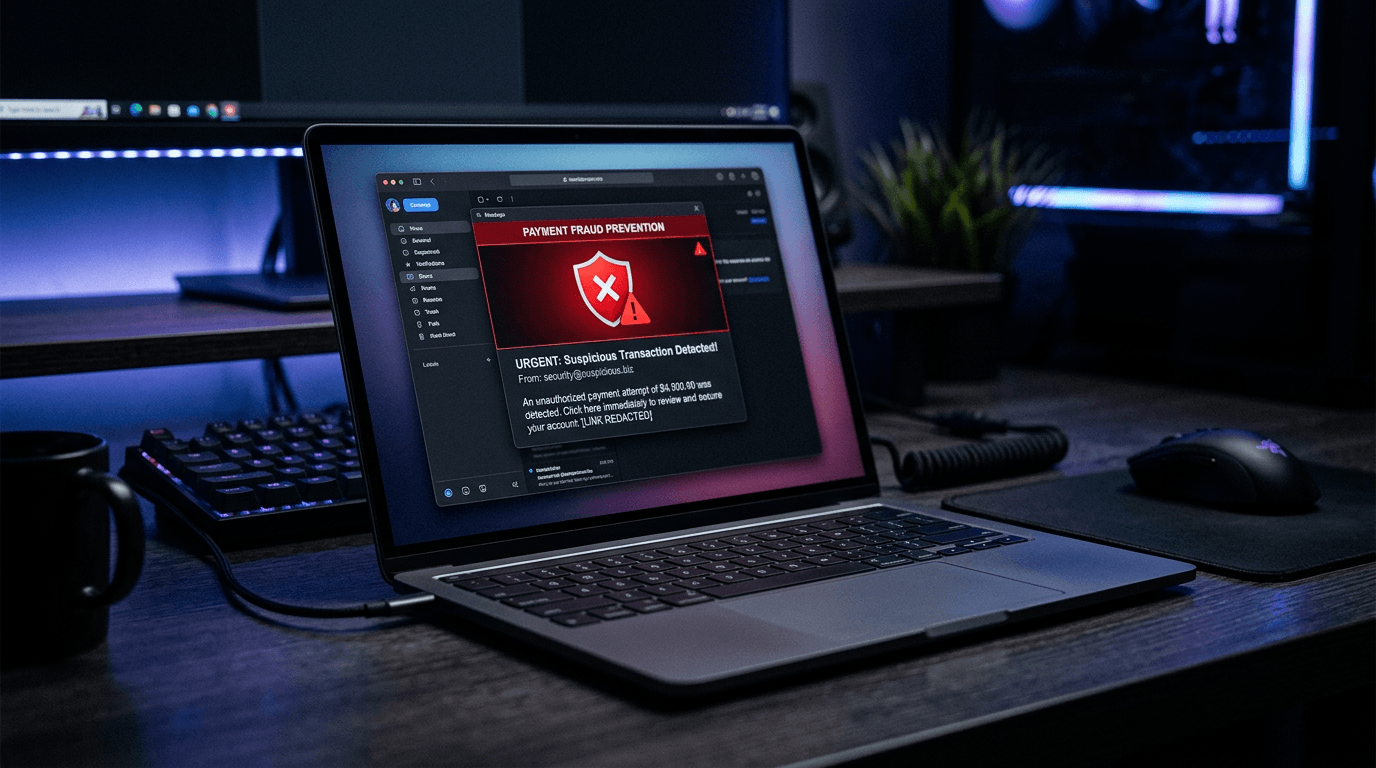
Protect your hospitality business from payment fraud. Covers fake invoices, BEC scams, vendor impersonation, dual-approval workflows, and prevention checklists.

Understand the differences between same-day and standard ACH payments for restaurants, hotels, and venues. Covers timelines, costs, Nacha rules, and use cases.

Streamline vendor onboarding for restaurants, hotels, and venues. Covers W-9 collection, banking setup, insurance verification, and automation strategies.