

Taco fests, seafood festivals, and wine events are generating massive returns for organizers who understand the business model.
Food Festivals Are Real Money
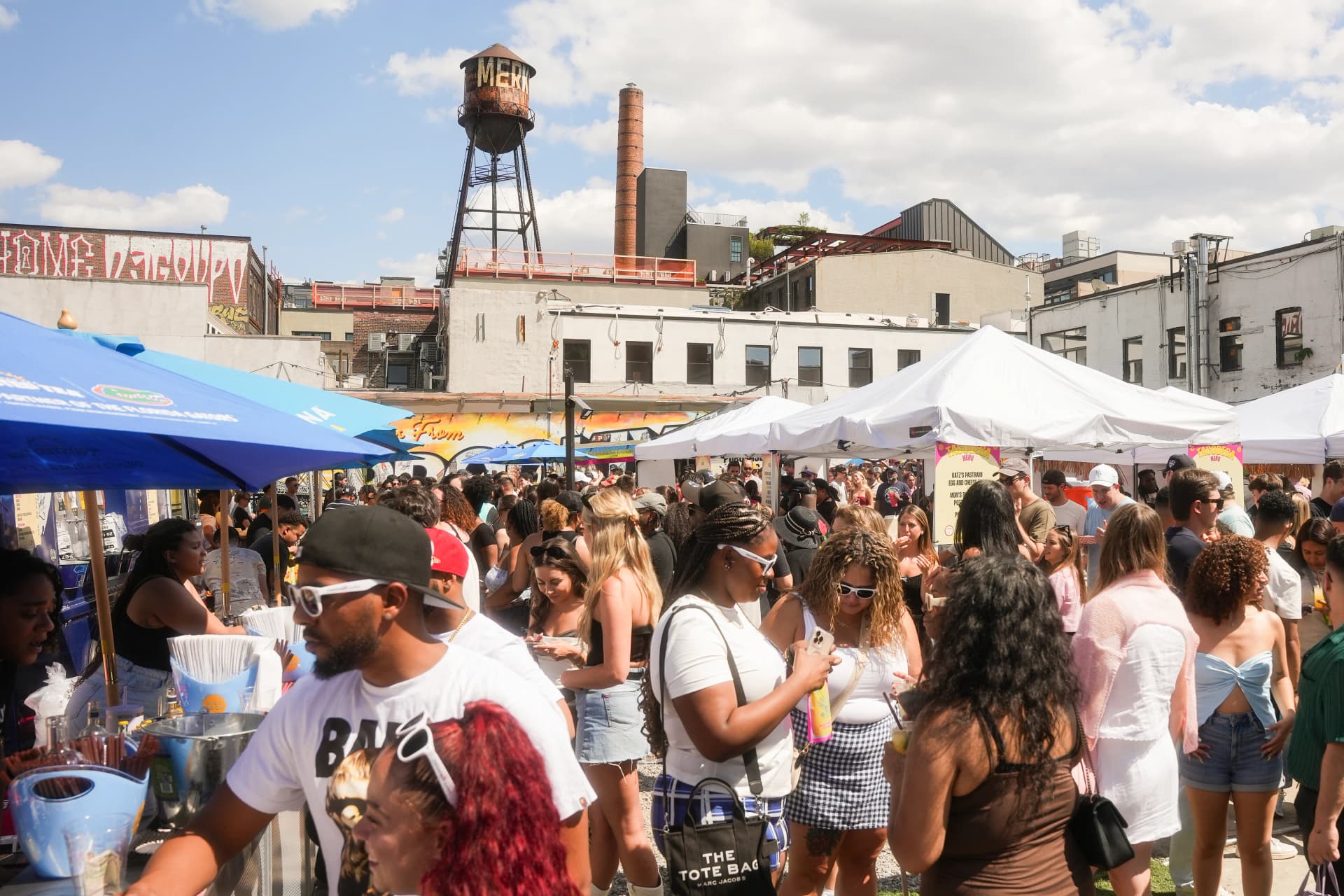
Food festivals have evolved from community gatherings into serious revenue generators. The Charleston Wine + Food Festival contributed an estimated $18.6 million to its local economy in a single year. NYC Wine and Food Festival has sent over $14.8 million to charitable causes.
Vendors are cashing in too. Sweet Martha's Cookie Jar grossed nearly $5 million during a single Minnesota State Fair season. Another vendor jumped from $928,000 to $1.5 million in two years just by refining their menu and negotiating a better booth location.
For municipalities, hospitality groups, and event entrepreneurs, food festivals are one of the highest-margin event formats out there. But only if you understand how the money actually flows.
The Four Revenue Streams
Every successful food festival makes money from four places. The trick is getting the balance right.
1. Ticket Sales (40-50% of Revenue)
General admission, VIP packages, early bird pricing, and day-of sales. This is your foundation.
VIP experiences typically run 3-5x the general admission price.
Tiered pricing works. Early bird buyers get a discount, you get cash flow months before the event, and you create urgency as prices rise closer to the date. Group discounts fill capacity. Family bundles broaden your audience beyond the usual foodie crowd.
2. Sponsorships (25-35% of Revenue)
This is where margins get interesting. Sponsors pay upfront, offset your fixed costs, and ask for nothing more than visibility and access to your audience.
Global sponsorship spending is projected to hit $189.5 billion by 2030. More telling: 53% of companies now prefer sponsoring existing events over producing their own. They'd rather pay you than figure it out themselves.
What sponsors actually care about: access to your attendee demographics, activation opportunities (not just slapping their logo on a banner), social media content, and lead generation. The festivals that land big sponsors treat them like marketing partners, not ATMs.
3. Vendor Fees (15-25% of Revenue)
Three ways to structure this:
Flat booth fee: $500-5,000+ depending on event size and location. Simple, predictable, vendors know their costs upfront.
Revenue share: 10-20% of vendor sales. Aligns incentives but requires trust and tracking infrastructure.
Hybrid: Lower booth fee plus a percentage of sales. Best of both worlds if you can manage it.
Premium corner spots and high-traffic locations should cost more. Smart organizers also offer multi-year deals to lock in their best vendors and create revenue predictability.
4. Ancillary Revenue (10-15% of Revenue)
The extras that add up fast:
- Branded merchandise (shirts, hats, koozies)
- Premium seating upgrades
- Parking fees
- Meet-the-chef experiences
- Exclusive tasting add-ons
Food festivals typically see $40-75 in on-site spending per attendee beyond the ticket price. The ones that optimize for this hit $60+ per head. That math matters when you're talking thousands of attendees.
Pick Your Format
The most successful festivals commit to a clear concept. Trying to be everything to everyone dilutes your brand and confuses your marketing.
Taco Festivals
High energy, street food culture, competitions, live music, sometimes lucha libre. Millennials, Gen Z, and families show up. Tickets usually run $20-50.
Seafood Festivals
Coastal community staples. Oyster roasts, crab boils, shrimp festivals. Tourists and locals mix. Strong tourism bureau partnership potential. Tickets $25-75.
Wine and Food Festivals
Premium positioning, chef-driven menus, curated pairings. Affluent adults 30-55 with disposable income. Tickets $75-200+. Higher production costs but higher margins.
BBQ and Smoke Fests
Competition formats, pitmaster showcases, big appetites. Merchandise and branded sauce sales can be significant secondary revenue. Families and enthusiasts. Tickets $15-40.
Cultural Food Festivals
Greek, Italian, Asian, Caribbean, whatever cuisine has a community behind it. Deep local ties drive repeat attendance year after year. Tickets $10-35.
Street Food Markets
Night market vibes, diverse vendors, lower ticket prices or free entry. Revenue comes from vendor fees and a cut of F&B sales. Urban crowds, date nights, repeatable programming you can run monthly.
Tokens vs. All-You-Can-Eat
Two dominant pricing models. Each has tradeoffs.
Token System
Attendees buy tokens (usually $1 each) and exchange them for food. Taste of Chicago does 14 tickets for $10.
Why it works: transactions are fast (faster than card swipes), pre-purchased tokens create "breakage" revenue when people don't use them all, and it naturally limits consumption so you don't run out of food.
All-You-Can-Eat
One ticket price, unlimited tastings.
Why it works: higher perceived value, simpler guest experience, no token logistics.
The risk: you have to cap attendance hard. Oversell and you'll run out of food, frustrate attendees, and potentially face legal issues if alcohol is involved.
Hybrid Approach
Taste of Williamsburg does this well. $25 gets you 4 food tastes and 2 drink tastes included. Want more? Buy additional tokens.
Guests feel like they're getting a deal. You capture the upsell.
What It Actually Costs
Before you count revenue, understand expenses. For a mid-sized festival (5,000-10,000 attendees):
Reality check: Most food festivals lose money or break even in year one. You're building audience and sponsor relationships that pay off in years two and three. Plan for that.
The Payment Problem Nobody Talks About
How you handle transactions affects your bottom line more than most organizers realize.
Token systems mean cash handling, which means security headaches and reconciliation nightmares at the end of the night. Card-based systems have processing fees that eat into margins, and those fees hurt more when your average transaction is $8-15.
The festivals figuring this out are moving toward integrated payment solutions that cut cash handling, speed up lines (shorter waits = more purchases), give real-time sales data by vendor, and simplify payouts when the event ends.
The difference between standard 2.9% processing and optimized event payment infrastructure can recover tens of thousands in margin for larger festivals. For a deeper look at how payment timing affects event financials, see our guide on closing event P&L faster.
What to Track
Before the Event
- Ticket sell-through rate by tier
- Sponsorship pipeline and close rate
- Vendor application volume
During the Event
- Per-attendee spending
- Transaction volume by hour
- Sales by vendor and location
After the Event
- Total revenue vs. budget
- Would attendees come back? (Net promoter score)
- Sponsor satisfaction and renewal likelihood
Tracking these metrics across multiple events or locations gets complex fast. If you're running vendor payments for several events simultaneously, a centralized approach to multi-location vendor payment management makes a significant difference.
The Real Takeaway
Food festivals work when the revenue mix is right. Tickets get people through the gate. Sponsors cover your fixed costs before a single attendee shows up. Vendors pay for access to your crowd. Ancillary sales pad your margin.
The festivals generating millions aren't doing anything magic. They're just intentional about every revenue stream and realistic about costs.
Planning a food festival or culinary event? The right payment infrastructure makes a bigger difference than most organizers expect. Learn how Cleo Pay helps event organizers streamline vendor payments and maximize revenue.


